
News & Press
- Home
- >>
- Info
- >>
- News & Press
- >>
- View Details
Latest News
Got any Questions?
CALL US NOW
Mobile: 0086 186 5335 4363
Tel / Fax: 0086 533 3588750
Email: info@crusher-world.com

2026 European Plastic Recycling- PPWR
As PPWR and the circular economy continue to reshape the European plastic recycling industry, choosing the right recycling equipment is becoming increasingly important. Learn how material type, processing capacity, output size, and customized equipment solutions can help improve plastic recycling efficiency.
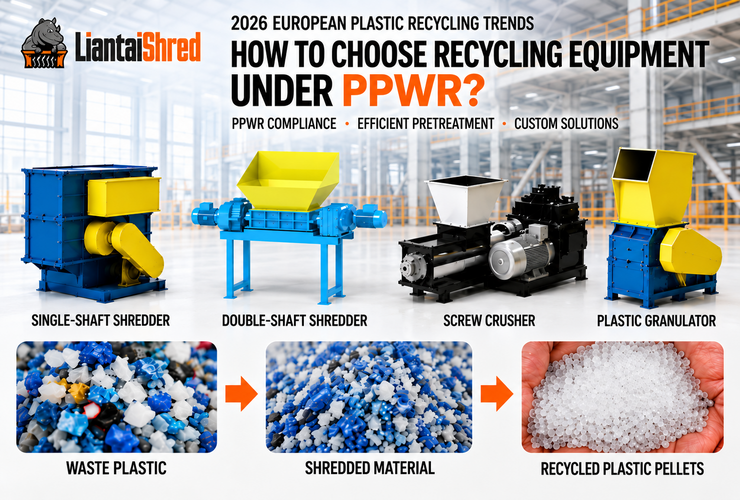
The European Plastic Recycling Industry Is Entering a New Stage
As the global circular economy continues to develop, plastic waste recycling and resource recovery are becoming increasingly important in the environmental protection and recycling industries.In Europe in particular, environmental regulations, circular economy policies, and the Packaging and Packaging Waste Regulation (PPWR) are creating higher requirements for plastic waste management and resource efficiency.
For plastic processors, waste management companies, and recycling businesses, improving waste processing efficiency, optimizing recycling processes, and developing suitable treatment solutions for different types of plastic waste have become important considerations.
This also means that plastic recycling equipment should not only meet basic shredding and size reduction requirements. Equipment selection should also take into account material type, processing capacity, required output size, and downstream recycling processes.
Different Plastic Waste Requires Different Processing Solutions
Plastic waste is not a single, uniform material.Common types of plastic waste generated during manufacturing and recycling include:
- Plastic Film
- Plastic Packaging Waste
- Injection Molding Scraps
- Plastic Pipes
- Plastic Lumps
For example, plastic film is generally lightweight, flexible, and prone to wrapping or entanglement. Therefore, factors such as the feeding method, rotor design, and cutting system should be considered when selecting processing equipment.
Large plastic lumps, thick-walled plastic products, and industrial production scraps may require stronger cutting and size-reduction capabilities depending on their dimensions, hardness, and required throughput.
Therefore, when planning a plastic recycling project, companies should select equipment based on the specific characteristics of the material rather than simply choosing a larger machine or higher processing capacity.
What Equipment Is Commonly Used in Plastic Recycling?
A complete plastic recycling process usually involves several stages, with different types of equipment performing different functions.1. Plastic Shredder
Plastic shredders are commonly used for front-end pretreatment and primary size reduction.They reduce large or irregular plastic waste into smaller pieces, making the material more suitable for subsequent sorting, washing, crushing, and granulation processes.
Typical applications include:
- Plastic packaging waste
- Industrial plastic scraps
- Plastic lumps
- Large plastic products
2. Plastic Crusher
Plastic crushers are mainly used for further size reduction.Plastic materials that have already undergone primary shredding can be further crushed according to downstream washing, sorting, or recycling requirements, helping achieve a more consistent material size.
3. Plastic Granulator
Plastic granulation equipment is mainly used for further processing of prepared plastic materials, supporting the recycling and reuse of plastic resources.Equipment selection should be based on the condition of the input material, required granule specifications, and the overall recycling process.
4. Auxiliary Equipment
Depending on the requirements of the recycling project, a complete system may also include:- Conveying equipment
- Sorting equipment
- Washing equipment
- Baling equipment
How to Choose the Right Plastic Recycling Equipment?
When sourcing plastic recycling equipment, companies should consider several important factors and provide relevant project information to the equipment supplier.1. What Material Needs to Be Processed?
The first step is to identify the type of plastic waste, such as:- Plastic film
- Rigid plastics
- Packaging waste
- Injection molding scraps
- Plastic pipes
- Plastic lumps
- Other industrial plastic waste
2. What Processing Capacity Is Required?
The processing capacity of the equipment should match actual production requirements.Companies can determine the required throughput according to their current waste volume, production schedule, and future capacity plans, helping avoid either insufficient or excessive equipment configuration.
3. What Is the Required Output Size?
Different downstream processes have different requirements for material size.Therefore, the cutting system, screen, and equipment configuration should be selected according to the required final output.
4. What Is the Downstream Recycling Process?
Plastic recycling usually involves multiple processing stages rather than a single machine.A typical process may include:
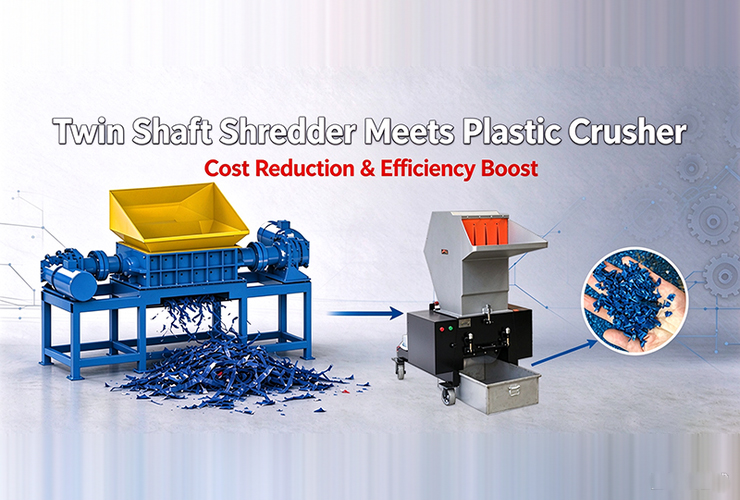
Shredding → Crushing → Washing → Granulation
Understanding the downstream process in advance helps determine the appropriate front-end pretreatment equipment and overall recycling line configuration.
5. Is Customized Equipment Required?
Standard equipment may not always meet the requirements of projects involving special materials, unusual feed sizes, specific processing capacities, or particular plant layouts.Therefore, buyers should also consider whether the equipment manufacturer can provide customized solutions based on material characteristics, processing capacity, feed size, required output size, and production line layout.
Liantai Machinery Provides Customized Plastic Recycling Solutions
Zibo Liantai Machinery Co., Ltd. specializes in shredding, crushing, and solid waste processing equipment and provides equipment selection and customized recycling solutions according to different plastic waste characteristics and customer processing requirements.For plastic recycling applications, Liantai Machinery can provide:
- Single Shaft Shredders
- Double Shaft Shredders
- Plastic Crushers
- Plastic Granulators
- Supporting equipment and solutions for plastic recycling systems
The company holds ISO certification, and relevant equipment can be supplied with CE certification. Liantai Machinery also serves customers in European, American, and other international markets.
For projects involving special materials, processing capacities, or plant layout requirements, customized shredding, crushing, and plastic recycling equipment solutions can be developed according to actual operating conditions.
As the European plastic recycling market continues to develop and circular economy regulations such as PPWR advance, selecting and configuring suitable shredding, crushing, and downstream recycling equipment will remain an important part of improving waste processing efficiency and resource utilization.
FAQ
1. What is PPWR?
PPWR stands for the Packaging and Packaging Waste Regulation, the EU regulatory framework covering packaging and packaging waste. It addresses areas such as packaging reduction, recyclability, and packaging waste management.2. Why Does PPWR Matter to the Plastic Recycling Industry?
As Europe places greater emphasis on reducing packaging waste and improving recycling and circular resource use, the collection, sorting, pretreatment, and recycling of plastic packaging waste are receiving increased attention.3. What Materials Can Plastic Recycling Equipment Process?
Common materials include plastic film, plastic packaging waste, injection molding scraps, plastic pipes, plastic lumps, and other industrial plastic waste.The appropriate equipment should be selected according to material size, hardness, shape, and processing requirements.
4. What Is the Difference Between a Plastic Shredder and a Plastic Crusher?
A plastic shredder is generally used for the primary size reduction of large, thick, or irregular plastic waste, while a plastic crusher is commonly used for further size reduction.Depending on the recycling process, the two types of equipment can be used separately or combined in a complete processing system.
5. Can Plastic Recycling Equipment Be Customized?
Yes. Liantai Machinery can provide equipment selection and customized solutions based on the customer`s material type, feed size, required processing capacity, output size, and production line configuration.6. What Information Should I Provide When Requesting a Quote?
To help the manufacturer recommend suitable equipment, buyers are advised to provide:
1. Material type and photos
2. Feed material dimensions
3. Required processing capacity per hour
4. Target output size
5. Downstream washing, granulation, or other processing requirements
Providing this information can help the equipment supplier uate the project and recommend a more suitable machine model and configuration.
Please feel free to contact us for details: info@crusher-world.com